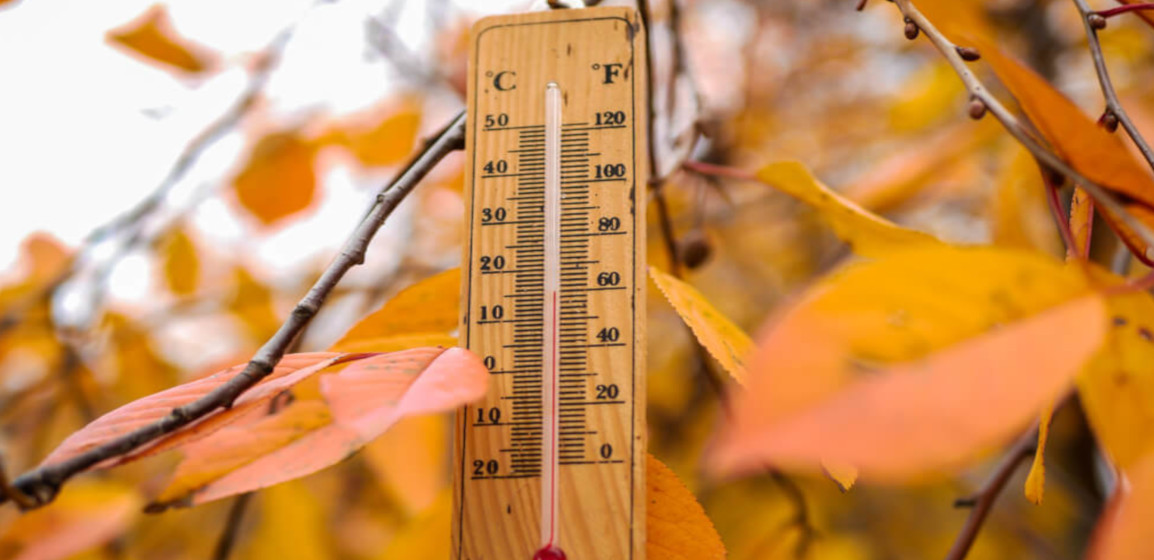


Summer can put extra pressure on a business. Warmer weather means cooling systems run longer, employees and customers expect comfortable indoor spaces, and energy use can climb quickly if equipment or routines are not ready for the season.
The good news is that businesses don’t have to wait for the first heat wave to make improvements. Preparing early can help reduce strain on systems while also making it more comfortable and allowing for easier management of energy usage throughout the summer months.
Schedule cooling system maintenance
Before summer demand peaks, have your cooling equipment inspected by a qualified professional. This will help you identify worn parts, or find possible airflow issues, or any other concerns before they turn into larger problems.
Review thermostat settings and schedules
Thermostat settings can have a big impact on energy use, especially in buildings with hours or occupancy patterns that change frequently. Review your schedule to make sure cooling matches when people are actually in the building. Also, consider installing programmable or smart thermostats, which can help reduce wasted energy during evenings, weekends, holidays, or low-traffic times.
Keep vents and equipment clear
When it comes to efficiency, it’s all about airflow. So, blocked vents and registers will make cooling systems work harder because airflow is impeded. Take a walk through your building and look for furniture, boxes, storage items, or debris that could be affecting that airflow. Keep these areas clear so you’ll get better circulation and more consistent cooling without the extra wear on your system.
Check doors, windows, and high-traffic areas for gaps
Cool air can escape quickly through gaps around doors, windows, loading docks, and entryways. Seal them to make sure your building isn’t leaking cooled air and reducing your overall energy usage.
Use lighting wisely
Lighting can add a surprising amount of heat to indoor spaces, especially in areas with older fixtures. Switching to LEDs, or using natural light, and turning off lights in unused spaces can help reduce both electricity use and cooling demand.
Get employees involved
Energy efficiency works best when everyone understands the goal. Simple reminders about closing doors, turning off unused equipment, and reporting hot spots in the building can help support smarter energy habits across the workplace.
Getting summer-ready doesn’t have to mean making major changes all at once. Small energy moves made before the season heats up can help your business stay comfortable, efficient, and better prepared for higher demand.